
Fire Hydrant Installation
Hydrant assemblies braced, restrained and set to finished grade.
Overview
Fire Hydrants.
A fire hydrant is a life-safety appurtenance, and the fire marshal treats it that way. Castello Brothers installs complete hydrant assemblies, from the tap or tee on the main through the lead, isolation valve, hydrant, thrust restraint and concrete pad.
We restrain and block the assembly so it stays put under pressure, brace the bury properly and set the hydrant plumb at the right height and breakaway elevation above finished grade. Then we confirm the isolation valve operates and the hydrant is positioned for access the way the plan and the fire code require.
Hydrants tie directly into the water system, so we install them alongside the mains and fire lines they feed, coordinate the required flushing and testing and set them ready for the fire marshal's inspection and acceptance.
What's Included
Scope of Work
- Complete hydrant assemblies on new or existing mains
- Hydrant leads, tees and isolation (gate) valves
- Thrust restraint, blocking and bury bracing
- Concrete pads and bollard protection where required
- Setting to finished grade and breakaway elevation
- Flushing, flow confirmation and inspection support
Why It Matters
Built Right the
First Time.
- 01
Restrained & Braced
Thrust restraint, blocking and proper bury bracing so the hydrant assembly holds under pressure and does not blow off the main.
- 02
Set to Grade
Hydrants set plumb at the correct breakaway height above finished grade so they operate and break away the way they are designed to.
- 03
Positioned for Access
Placed and oriented per the plan and fire code so pumpers can connect and the hydrant stays clear and accessible.
- 04
Inspection Ready
Flushed, confirmed and set up for the fire marshal's inspection so acceptance does not hold up your certificate of occupancy.
How We Work
From First Cut
to Final Backfill.
- 01
Tap & Lead
We tee or tap the main, install the lead and set the isolation valve so the hydrant can be shut down independently.
- 02
Set & Restrain the Hydrant
The hydrant is set plumb to grade, restrained and blocked against thrust, and the bury is braced so it stays in position.
- 03
Pad & Protect
We pour the concrete pad and add bollards or protection where the plan calls for it, keeping the hydrant clear and accessible.
- 04
Flush, Confirm & Inspect
We flush the assembly, confirm the valve and hydrant operate, and set it ready for the fire marshal's inspection and acceptance.
In the Field
Proof Is
in the Ground.
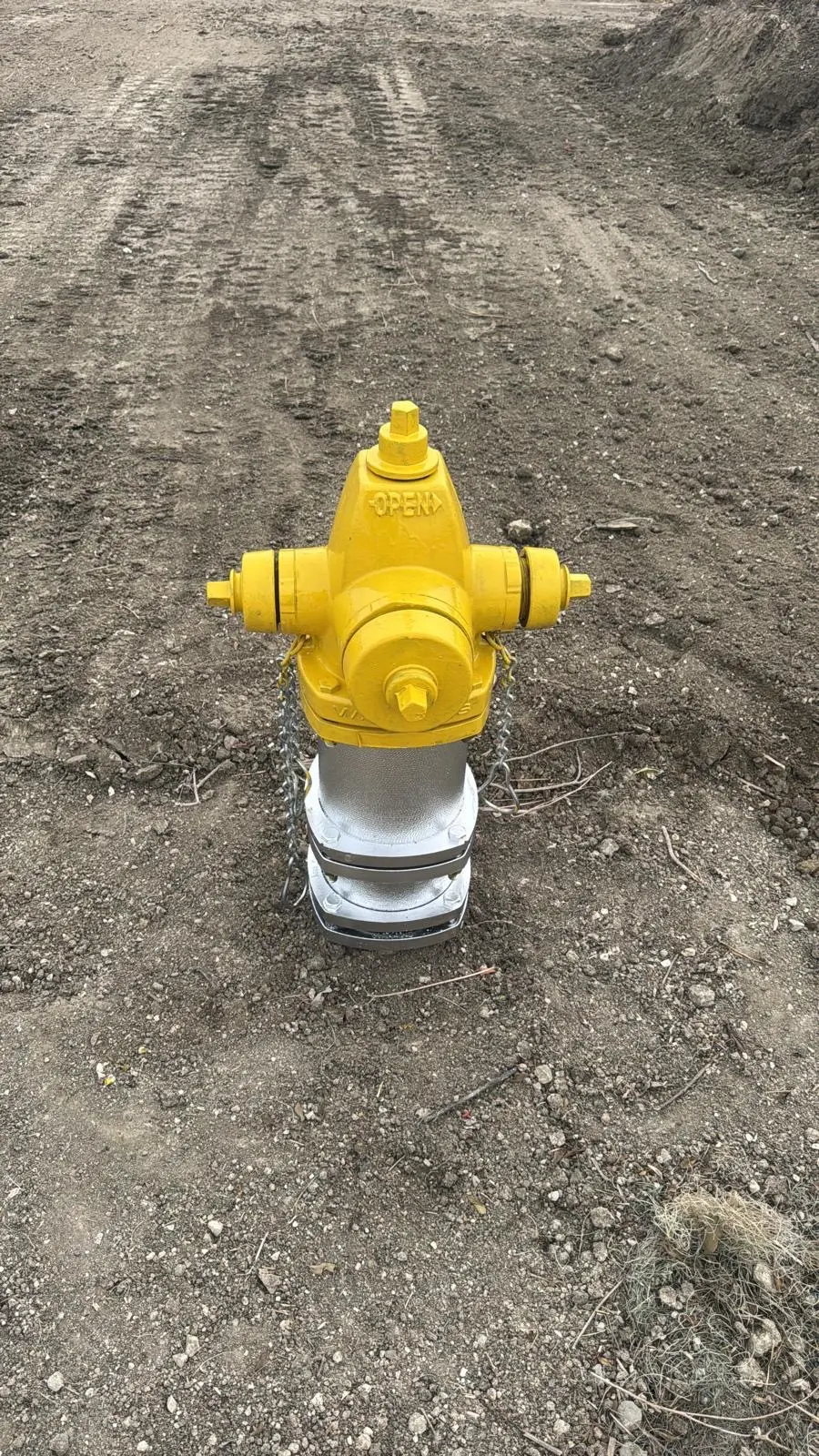
New fire hydrant
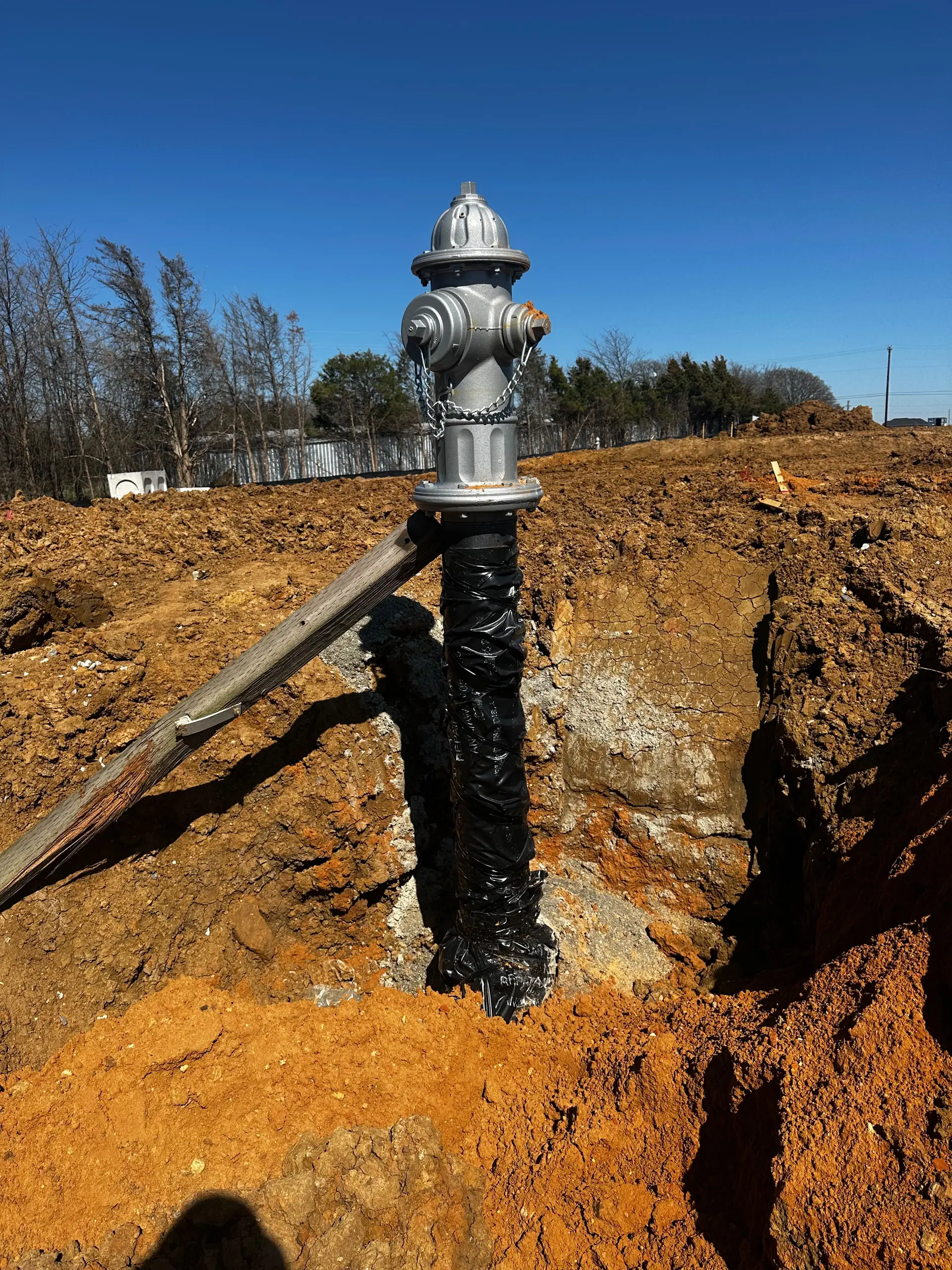
Hydrant riser install
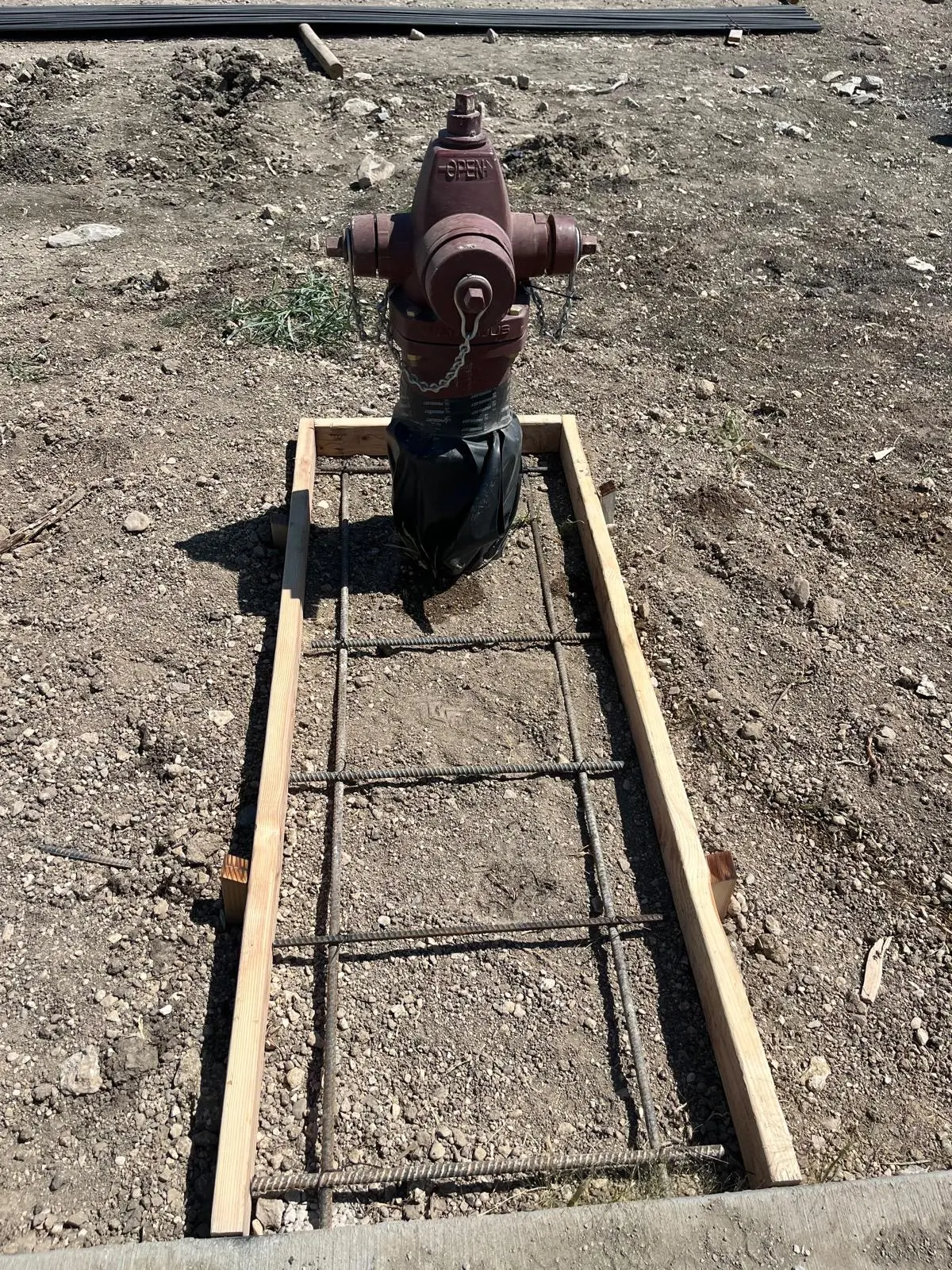
Hydrant pad forming
Common Questions
Good to
Know.
Bidding a job or have a question about this scope? Call us at (469) 245-1215 and talk to the people doing the work.
Do you install the full hydrant assembly?
Yes. We install everything from the tee or tap on the main through the lead, isolation valve, hydrant, thrust restraint and concrete pad, set to finished grade and ready for inspection.
Can you add a hydrant to an existing water main?
We can tap or tee an existing main to add a hydrant, coordinating any required shutdown and inspection with the local water authority.
Do you handle flushing and the fire marshal inspection?
We flush the assembly, confirm the valve and hydrant operate and set everything up for the fire marshal's inspection so acceptance stays on schedule.
Keep Exploring
Related
Services.
Ready to Work
Got a Bid Package?
Let's Dig In.
Bidding a commercial, civil or municipal job in DFW? Get a responsive underground utility sub that shows up ready to work.
Office@castellobrothersllc.comWhat to Send Us
A Fast, Accurate Number
- Plans, specs & addenda
- Bid date & anticipated start
- Project location
- Scope: water, sewer, storm or fire